The line between paid companionship and real intimacy blurs faster than most people admit. You think you’re hiring someone for an evening - dinner, conversation, maybe a walk through the city - but then something shifts. A laugh that feels too genuine. A hand that lingers a second longer than it should. A quiet moment where you forget to pay attention to the clock. That’s when the girlfriend experience stops being a service and starts feeling like something real. And that’s when it gets complicated.
Some clients turn to services like escort paris looking for a version of connection they can’t find elsewhere. Not just sex, not just company - but the full emotional package: someone who listens without judgment, remembers your favorite drink, and makes you feel seen. It’s a performance, yes. But performances can still feel true. And sometimes, the line between role and reality becomes impossible to draw.
What Exactly Is a Girlfriend Experience?
The girlfriend experience - often abbreviated as GFE - isn’t just about physical intimacy. It’s about emotional presence. A professional who offers GFE doesn’t just show up for an hour. They arrive prepared to talk about your day, your job, your childhood dog. They remember the name of your ex. They make small talk that doesn’t feel rehearsed. They might cook you dinner, hold your hand during a movie, or just sit quietly while you cry. The goal isn’t transactional speed. It’s emotional depth, even if it’s temporary.
Unlike standard escort services, GFE providers don’t rush the clock. They extend the time. They make you feel like you’re not paying for a service - you’re paying for a memory. And that’s why it costs more. A standard hour might run $200. A GFE session? $500, $800, sometimes more. You’re not just buying time. You’re buying the illusion of belonging.
Why Does It Feel So Real?
Humans are wired to read signals - eye contact, tone, touch. A skilled GFE provider knows how to mirror your emotions. They lean in when you speak softly. They laugh at your jokes even if they’ve heard them before. They ask follow-up questions that make you feel like you’re the most interesting person in the room. And because you’re paying for it, you don’t have to worry about whether they’re faking it. You can let yourself believe it’s real.
It’s not manipulation. Not exactly. It’s emotional craftsmanship. These professionals train themselves to read body language, to match energy, to create safety. Many have backgrounds in psychology, theater, or counseling. They’re not just attractive women - they’re skilled communicators. And that’s what makes the experience so addictive.
One client in London told me he’d been seeing the same provider for two years. He never asked her personal questions. She never asked his. But every Friday at 7 p.m., she’d be there - coffee ready, music playing, no agenda. He said it was the only time in his week he didn’t feel alone. He didn’t love her. But he needed her.
The Emotional Cost of Faking It
For the provider, it’s exhausting. You can’t turn off empathy. You can’t shut down the part of your brain that cares when someone tells you about their divorce, their sick parent, their fear of failure. You listen. You nod. You offer comfort. And then you go home and delete the messages. You wipe the memory clean. You reset for the next client.
Some providers say they develop emotional detachment over time. Others say they never fully do. There’s a quiet toll - the kind you don’t see in ads or websites. The nightmares. The loneliness. The way you start questioning your own relationships. If you can fake connection so well for strangers, can you ever be real with someone who matters?
One former escort in Berlin, now studying social work, told me: “I used to think I was helping people. Then I realized I was helping myself - by pretending I didn’t need anyone else.”
The Blurred Boundaries
It’s not uncommon for clients to develop feelings. And sometimes, those feelings turn into obsession. One man in Paris spent over $10,000 in six months on the same escort. He sent her poems. He showed up at her apartment unannounced. She had to change her number. He still texts her on holidays.
On the other side, some providers begin to blur their own boundaries. They start meeting clients outside of appointments. They exchange personal numbers. They meet for coffee after work. Some even enter into real relationships - only to find out the person they fell for never really knew who they were. The irony is brutal: the person who made you feel most understood was the one who knew you least.
There’s a reason why GFE is often called “the most dangerous kind of transaction.” It doesn’t just exchange money for time. It exchanges vulnerability for comfort. And once that exchange happens, it’s hard to walk away.
What Happens When It Ends?
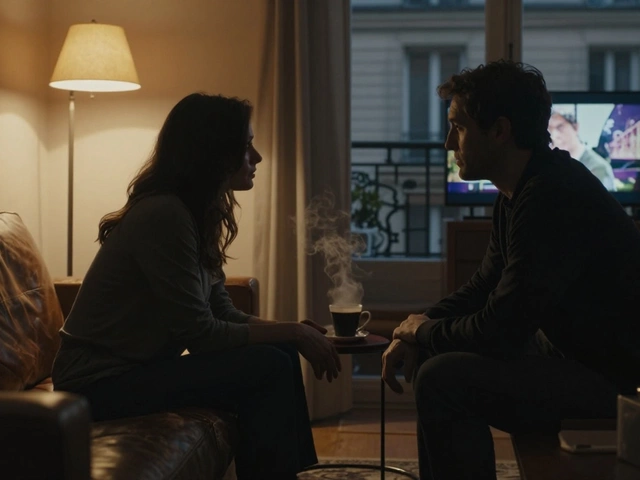
There’s no goodbye ritual. No final hug. No closure. The appointment ends. The bill is paid. The door closes. And you’re left with silence.
Some clients feel relief. Others feel hollow. A few say they’ve never recovered. One man in Vienna told me he stopped dating for three years after his last GFE session. “I couldn’t trust anyone else to be that present,” he said. “I didn’t know if I wanted someone real - or just someone who knew how to act like they cared.”
Providers rarely hear from clients after the final session. But sometimes, they get a note. A thank-you. A photo of a wedding. A baby’s first birthday. A message that says: “You helped me get through the hardest year of my life.” Those are the moments that stay with them.
Is It Ethical?
People argue about this all the time. Is it exploitation? Liberation? A service? A scam? The truth is, it’s all of those things - depending on who you ask.
For some, it’s a form of empowerment. Women who choose this work often say they control the terms. They set prices. They pick clients. They decide what happens - and what doesn’t. They’re not victims. They’re entrepreneurs.
For others, it’s a symptom of a broken system. A society that makes people feel so isolated they have to pay for human warmth. A world where emotional labor is invisible - unless it’s priced.
There’s no easy answer. But one thing is clear: the demand for GFE isn’t going away. As loneliness rises, as relationships become more transactional, as digital connections replace physical ones, people will keep searching for someone who looks them in the eye and says, “I’m here.”
And some of those people will find it - not in a marriage, not in a friendship, but in a rented hour with a stranger who knows how to make them feel loved.
When the Role Becomes the Reality
There’s a quiet truth no one talks about: sometimes, the client becomes the provider.
After years of receiving emotional care from professionals, some men start offering it in return. They become better listeners. They show up for friends. They cry in front of their partners. They stop pretending they’re fine. The girlfriend experience doesn’t just change the client’s night - it changes their life.
And sometimes, that’s the only real outcome that matters.
Meanwhile, in Paris, a woman who goes by the name Léa still works three nights a week. She doesn’t advertise. She doesn’t have a website. She’s known through word of mouth. One of her regulars calls her “the only person who never asks me to be someone else.”
She doesn’t call it a job. She calls it a gift.
And on the rare nights she doesn’t work, she sits alone in her apartment, wondering if she’ll ever find someone who doesn’t pay to be with her.
escort gorl paris